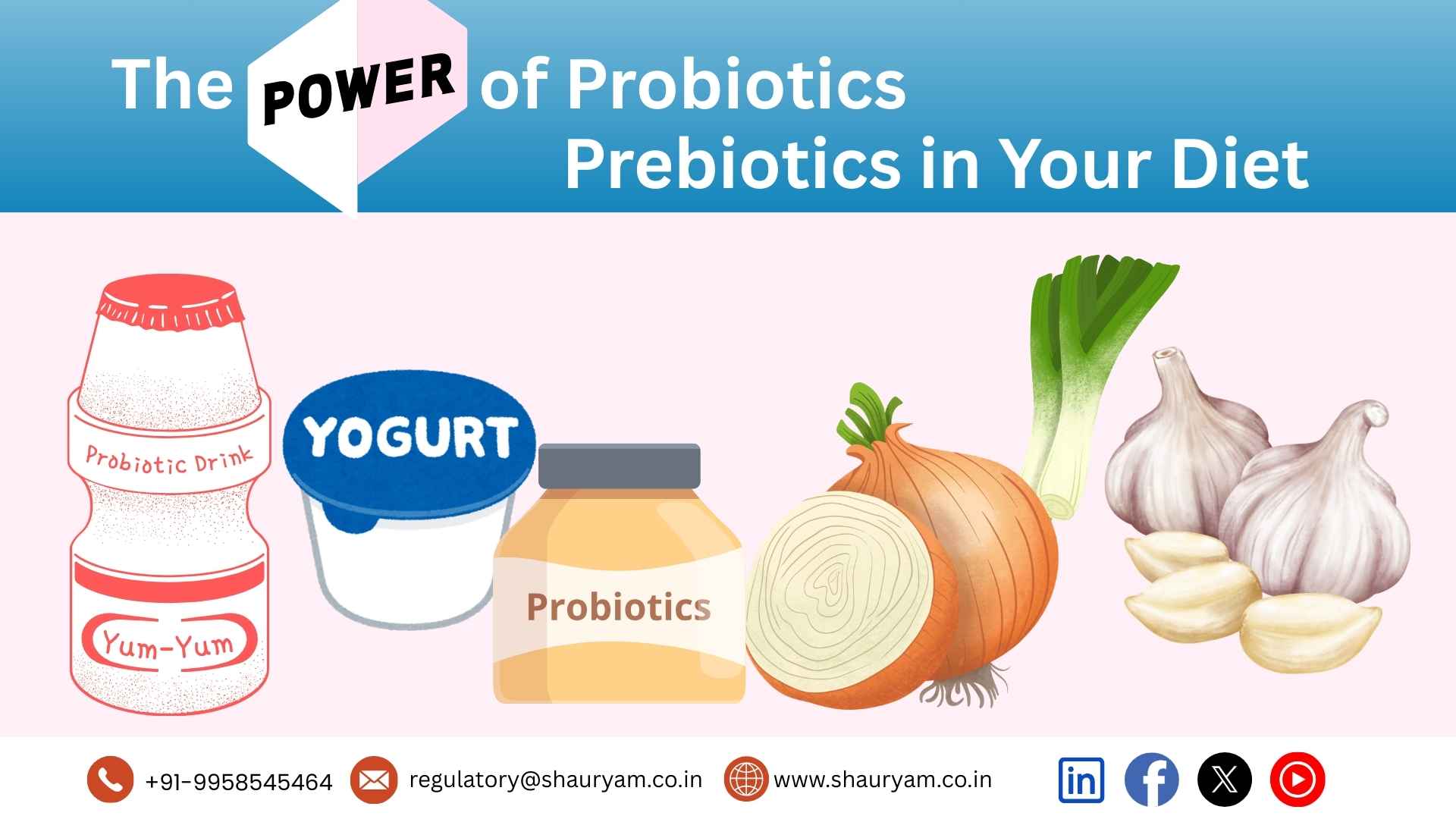
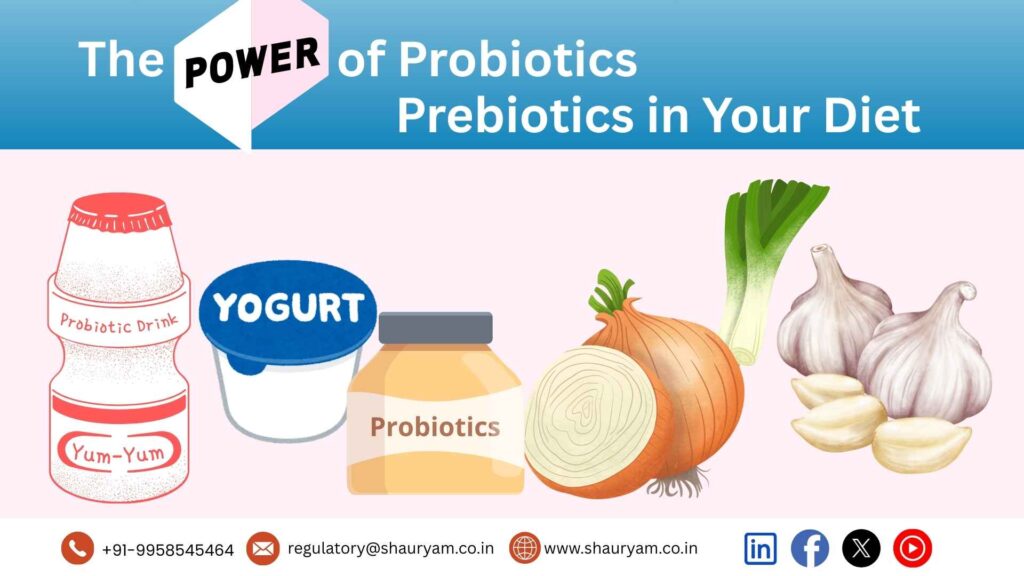
Why Gut Health Matters: The Power of Probiotics and Prebiotics in Your Diet
Gut health is a hot topic, and for good reason. Our digestive system is home to trillions of microbes that play a crucial role in everything from immunity to mood. Two key players in this ecosystem are probiotics and prebiotics. But what exactly are they, how do they work, and why should you care?
Let’s dive in and get to know all about it!
What Are Probiotics?
Probiotics are live micro-organisms, mainly bacteria and some yeasts, that, when consumed in adequate amounts, confer health benefits on the most. Think of them as the “good guys” in your gut, helping to maintain a balanced microbiome and crowding out harmful bacteria.
How Probiotics Benefit You
- Support a healthy digestive tract by restoring gut flora, especially after antibiotics or illness.
- Enhance immune function, helping your body fend off infections and inflammation.
- Aid in managing conditions like irritable bowel syndrome (IBS), diarrhea, and even metabolic disorders such as obesity and type 2 diabetes.
- Improve nutrient absorption and may help with lactose digestion.
Sources of Prebiotics
- Garlic, onions, leeks
- Asparagus, bananas, chicory root
- Whole grains, oats, barley
- Legumes

Together, probiotics + prebiotics = synbiotics, offering synergistic benefits for optimal gut health.
The Synergy: Why Combine Probiotics and Prebiotics?
When probiotics and prebiotics are combined, they form synbiotics. This partnership can have a greater impact on gut health than either alone, as prebiotics help probiotics thrive and multiply, maximizing their health benefits.
Science-Backed Benefits
Digestive Health: Probiotics and prebiotics together can help prevent and manage digestive issues like IBS, diarrhea, and constipation.
Immunity: A balanced gut microbiome boosts immune responses and may reduce the risk of infections and inflammation.
Metabolic Health: Some studies suggest benefits for weight management, blood sugar control, and even mental well-being.
The Gut-Brain Connection
The gut-brain axis refers to the two-way communication between your gut and brain. A well-balanced microbiome helps produce neurotransmitters like serotonin, which regulates mood, sleep, and even cognitive function.
Gut Health Is Linked to:
- Mental well-being
- Reduced anxiety and depression
- Enhanced focus and memory
- Immune response modulation
Very Commonly searched query – Can we Take a Supplement?
While whole foods should always come first, probiotic and prebiotic supplements can be a great addition, especially for those with restricted diets or chronic digestive conditions.
Pro Tip: Look for supplements with well-researched strains and a high CFU (colony-forming unit) count, ideally above 10 billion per serving.
What This Means for Food and Nutraceutical Businesses
With rising consumer awareness of gut health, food manufacturers and supplement brands are integrating probiotics and prebiotics into everyday products, from beverages, protein powder to snack bars to capsules.
But launching these products in India means complying with FSSAI guidelines, labeling regulations, and approved health claims are very crucial. Whether you’re reformulating an existing product or launching a new one, regulatory clarity is key.
Final Thoughts
Prebiotics and probiotics are essential for preserving a healthy, balanced gut ecology, they are not merely trendy terms. These gut-friendly nutrients have the potential to significantly improve immunity, support mental health, or improve digestion.
For individuals, the message is simple: eat mindfully, diversify your plate, and support your gut.
For businesses, the opportunity is massive. As consumer demand grows, aligning with regulatory standards and delivering functional, compliant products will set your brand apart.
Yes! They’re generally safe for healthy individuals. However, consult a doctor if you have immune disorders or chronic illness.
Yes! Combining them (as synbiotics) can maximize benefits for gut health.
Yes, but it’s best to consult a pediatrician for appropriate types and dosages for children.
Curd, buttermilk, idli, dosa (fermented), garlic, onions, and bananas are excellent choices.